Activity 10: Career Access Mentoring Program
Activity Description
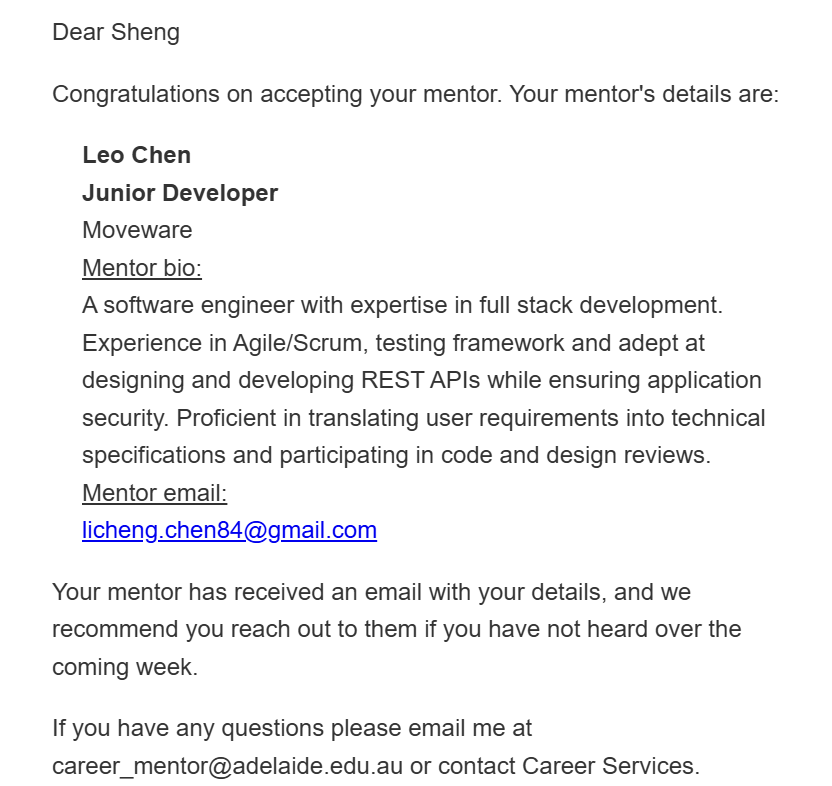
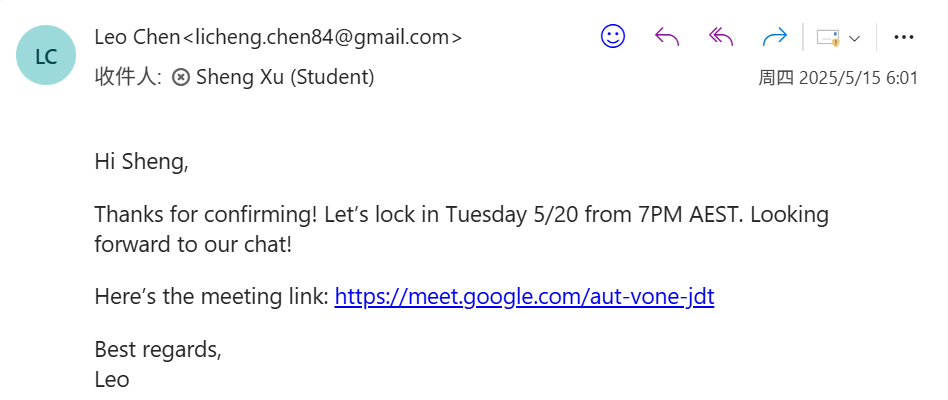
This activity marks my first meeting with my assigned mentor through the Career Access Mentor Program, which I applied for after attending the employability programs information session earlier in the semester (Activity 3).
During this initial one-on-one session, we covered several key areas:
- My mentor's career journey and experiences in the technology industry
- Discussion of my career aspirations and current concerns about entering the job market
- Analysis of the current job application landscape for computer science graduates
- Common misconceptions about the hiring process
- Strategies for demonstrating initiative and technical skills to potential employers
What I Learned
The meeting provided valuable insights from someone who has successfully navigated the early career stage that I'm approaching:
- The critical importance of practical experience for new graduates, with suggestions for alternatives if traditional internships aren't available
- The value of personal projects in demonstrating initiative, problem-solving abilities, and technical skills to potential employers
- A realistic view of the application process from resume submission through to job offer
- Clarification about interview practices — while stress interviews exist, most interviewers are primarily interested in assessing skills and fit rather than deliberately creating pressure
- Insight into how hiring decisions are actually made in technology companies
Relevance to My Professional Development
This mentorship meeting was particularly valuable as I approach graduation and begin my job search. Having access to someone who has recently navigated the early career challenges I'm about to face provided practical guidance that isn't available through more general career resources.
My mentor emphasized the importance of experience and initiative — clarifying that even without formal internships, I can demonstrate my capabilities through personal projects, open-source contributions, or volunteer technical work. This advice has prompted me to reevaluate my portfolio and identify opportunities to showcase my skills more effectively.
The insights about the interview process have also helped alleviate some of my anxiety. Understanding that most interviewers are looking for capability and cultural fit rather than trying to create stress has changed my perspective on upcoming interviews. This mentorship relationship will continue throughout the semester, providing ongoing guidance as I navigate the transition from student to professional.